




Gardening for western pennsylvania's wild bees
Updated: May 18
Most people think of naturalized honeybees when they think of pollinators, but did you know that Pennsylvania is home to more than 400 species of wild bees who are native to our ecosystems?

These venerable bees, such as the bumble bee, orchard mason bee and leafcutter bees are critically important to both our agricultural crops and our native plants communities and come in a dizzying variety of shapes, colors and sizes. Wild bees in our state pollinate many crops including apples, pears, strawberries, nuts, tomatoes, peppers, blueberries, melons and squash.
Who are these bees?
Some wild bees look familiar - with chubby shapes, hairy bodies and yellow markings. But other species may be much smaller or far more slender; still others have little to no hair or are metallic blue or shiny green. Some even look look like wasps - but note that almost all species (more than 90%) of wild bees are not aggressive because they are solitary nesters who do not have to defend large colonies or large stashes of honey.
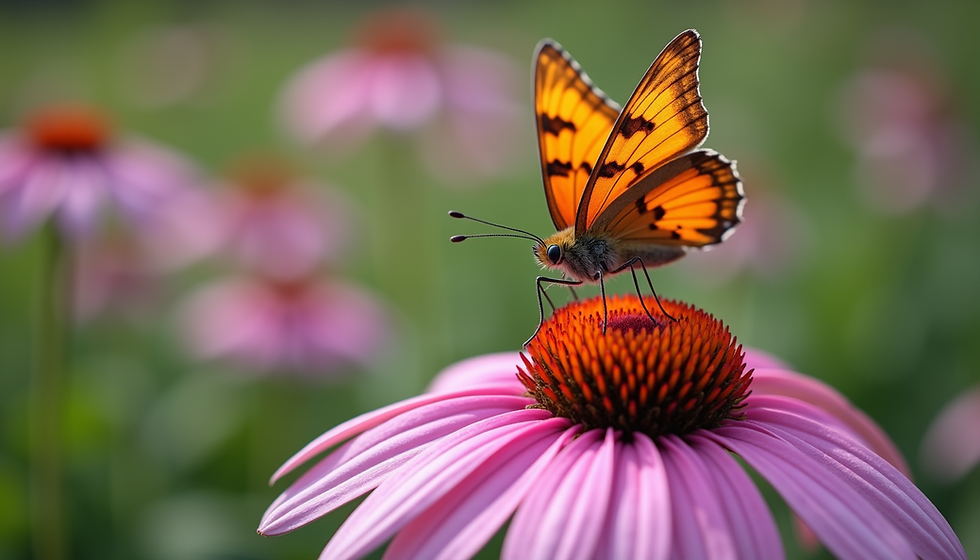
You can support these gentle and essential garden visitors in your own landscape by planting native plant species with a diversity of bloom types and seasons to provide an ever-fresh nectar supply and colorful showing in you border. For example, columbine and wild blue phlox in spring, milkweeds, monarda and coneflower bloom in hot summer months, and aster, blue mistflower and goldenrod provide late season nectar.
Native bees, like all pollinators and other organisms, are adversely affected by pesticide use, so consider limiting, or better yet, eliminating pesticides from your garden.
Try these tips to encourage native bees to reside in your garden full time:
With the more than 70% of wild bees building solitary nests in the soil; you can provide native bee habitat by simply accepting tiny patches of bare ground in an out-of-the-way place in your garden.
About 30% of our wild bee species prefer to nest above ground in dead wood or logs, dried plant stems or dense vegetation.
You can attract valuable pollinators like the orchard mason bee by creating a "bee hotel" - drilling holes of various sizes into exposed wood in your wood pile, or into a small single block of wood.
You can also provide hollow, dead stems to create a tiny "tunnel" where a female orchard mason bee will lay an egg or eggs with enough food to support the developing larva, sealing up the entrance with mud. As a single female of the species can make up to seven nests in her short life.


Comments