




An introduction to Gardening for wildlife
Updated: May 18
The movement to garden in a way that attracts or sustains wildlife has gained much momentum in the past few decades. Thoughtful land management practices can be adopted in the largest or smallest of gardens, helping us connect to the natural world that sustains us all.

A green damselfly enjoys a leaf
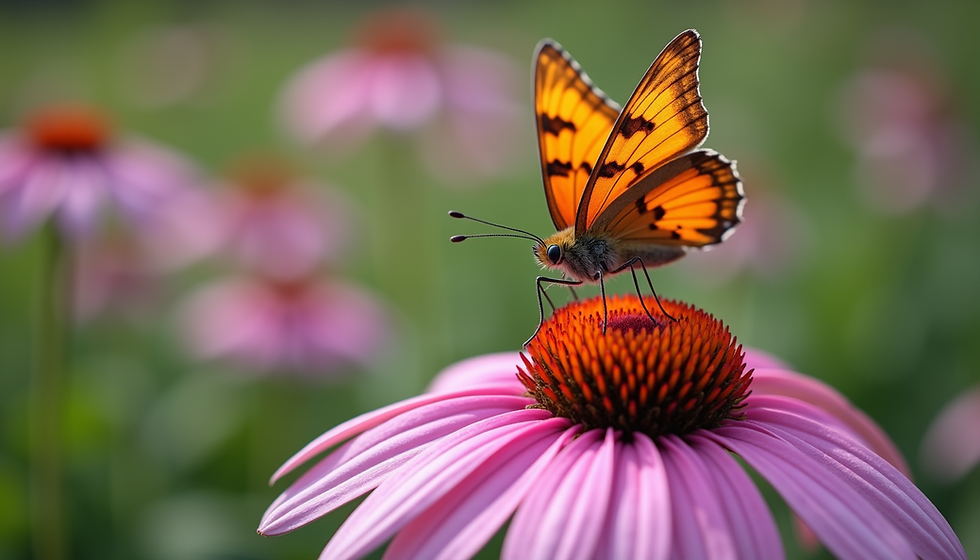
And from an aesthetic standpoint, having a landscape filled with flitting butterflies, buzzing bees and singing birds is the understandable goal of many gardeners. But perhaps the largest benefit of this mindful gardening practice is to populations of local and migratory wildlife including insects, birds and small mammals.
What is wildlife
The term "wildlife" may mean different things to different people. Some people want to attract birds to their yard, while others concentrate on enticing butterflies, or supporting local populations of native bee species. To a wildlife biologist, "wildlife" means any creatures not in the control of humans - and many may argue that this definition should include the specific habit of that insect or animal.
Although some wildlife may be found in many habitats, most types of wildlife occupy a specific niche, or place, in an ecosystem where they thrive.
elements of design for a habItAT GARDEN:
Our future blogs will take deep dives into topics on helping home gardeners design landscapes that support specific types of wildlife, including specific design tips and sources for native species, but for now, let's look at three basic principles for attracting wildlife to your home landscape:
Start by Using Native Plants: Any kind of insect or animal needs food, water, shelter and space to live and reproduce. Native plants, including trees, shrubs and herbaceous plants, that evolved along with our wildlife are the very best choice to begin a habitat garden.
Thoughtfully Consider Garden Management: Once you entice birds, butterflies and bees into your yard, strive to be the best neighbor by adopting organic practices whenever possible. By adopting organic practices, you can avoid using herbicides and pesticides that may harm or kill the wildlife in your garden.
Connect with Your Human Neighbors: Remember, wildlife is often on the move, as it finds habitats that support those basic needs of food, water, shelter and space. Don't be concerned that it's up to you alone to provide every essential element wildlife needs.
Instead, start by concentrating on augmenting your existing landscape with plants that support some part of the lifecycle of local animals and insects - and you'll be off to a good start. As an example, native trees and shrubs provide food, shelter and nesting habits for birds while being a food source for the caterpillars and other larvae of insects.
And whenever possible, encourage your neighbors to do the same - as creating larger tracts of habitat is most useful to supporting a diversity of wildlife.
More
To learn more about attracting specific types of wildlife and maintaining a garden that supports visiting and resident species like bees, butterflies and birds, sign up to receive future blogs from the Moon Township Garden Club.


Comments