




Creating a Year-Round Sequential Blooming Garden for Every Season
Updated: May 15
A garden that blooms continuously throughout the year brings constant color, life, and joy to any outdoor space. Designing such a garden requires careful planning to ensure that as one plant finishes blooming, another begins. This approach, known as sequential blooming, allows gardeners to enjoy flowers in every season without gaps. This guide explains how to create a garden that offers vibrant blooms from spring through winter.
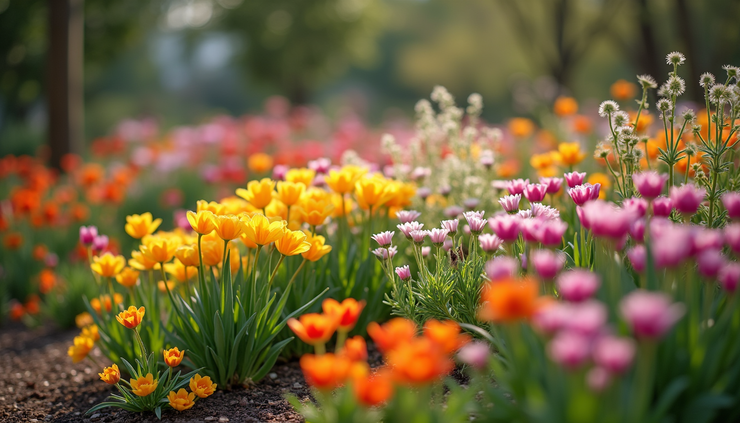
Understanding Sequential Blooming
Sequential blooming means selecting plants with staggered flowering times so that the garden never looks bare. Instead of having all flowers bloom at once and then fade, you create a timeline of blooms that overlap and follow one another. This requires knowledge of plant species, their bloom periods, and how they interact with your local climate.
Why Choose Sequential Blooming?
Continuous visual interest: Your garden remains interesting as it changes throughout the year.
Supports wildlife: Different flowers attract various species of bees, butterflies, and birds across seasons.
Maximizes space: Using plants that bloom at different times allows for efficient use of garden beds.
Planning Your Garden for Four Seasons
Select a diverse variety of plants, with some blooming in spring, early summer all the way through the autumn. Some examples of how to provide seasonal interest are noted below:
PLAN FOR Spring Bloomers
Early bloomers bring welcome color after winter’s dormancy.
Bulbs such as tulips, daffodils, crocuses, and hyacinths provide early blossoms while select perennials such as bleeding hearts, hellebores and many native species of woodland wildflowers offer delicate blooms for later in the spring.
Small native trees and shrubs, such as serviceberry (Amelanchier) and spicebush (Lindera benzoin) provide vibrant white and chartreuse flowers to support early pollinators.
Plant bulbs in the fall to ensure they bloom in spring. Combine early perennials and shrubs with bulbs to extend the blooming period through even the chilliest of spring weather.
Summer-blooming perennials and shrubs
Summer plants thrive in warmth and longer days, providing bright colors and fragrances and supporting a myriad of wildlife species.
Annual flowers such as zinnias and petunias bloom profusely throughout the summer and fall, providing vivid pops of color and texture.
Native and non-native perennials such as Coneflowers, daylilies, and black-eyed Susans offer long-lasting blooms, while summer blooming shrubs such as hydrangeas, summer sweet and calycanthus support local pollinators while they bloom throughout the season.
don't forget autumn color
The addition of fall-blooming plants such as asters and goldenrods provide a late nectar source for pollinators while chrysanthemums can add additional flare to even the smallest space.
Perhaps the best fall color is found in the changing foliage of many small trees and shrubs, such as the orange-red serviceberry and chokeberry, or even the soft yellow of leaves as they prepare to drop for the winter.
Even many of your perennials can bring hues of purple and gold as they prepare for the dormancy of winter.
plan for winter interest in your garden
Though many people think of winter as a "boring" time for garden viewing, if you include some small evergreens in your garden or borders the view from your window can still intrigue.
Small shrubs and trees provide visual delights as their structure of branches and twigs is revealed after the leaves drop.
Consider leaving up the stems of perennials and tufts of ornamental grasses throughout the winter to ensure visual interest and provide food for resident birds and shelter for overwintering insects.
Selecting Plants for Your Climate
Your local climate determines which plants will thrive and when they bloom. Research native plants and those adapted to your region’s temperature and rainfall patterns. Native plants often require less care while supporting pollinators and other wildlife.
additional Tips for Plant Selection
Choose a mix of native and well-adapted non-native plants.
Include a variety of flower shapes and colors to attract different pollinators.
Consider plant height and spread to avoid overcrowding.
Don't forget that varying leaf shapes, such as finely textured coreopsis or the spikes of iris, can also add dimension to any planted area.
Designing the Garden Layout
A well-designed layout enhances the sequential blooming effect.
Layer plants by height: Place taller plants at the back and shorter ones in front for visibility.
Use color transitions: Plan color schemes that flow naturally from one season to the next.
Include paths and focal points: Paths allow easy access and viewing, while focal points like benches or sculptures add interest.
Maintenance for Year-Round Blooming
Maintaining a sequential blooming garden requires regular care.
To visualize sequential blooming, create a calendar marking when each plant
blooms. This helps avoid gaps and overlaps to help your identify weeks that
you might want to augment with different species.
Deadheading: Remove spent flowers to encourage new blooms.
Pruning: Trim plants after flowering to prepare for the next cycle.
Watering: Adjust watering schedules based on seasonal needs.
Fertilizing: Use appropriate fertilizers to support healthy growth and profuse blooms.
Pest control: Monitor for pests and diseases, using organic methods when possible.
Benefits Beyond Beauty
A diverse garden that changes throughout the year offers more than just visual appeal to the human eye. Continuous flowers provide provide an on-going nectar source for local pollinators, seeds for birds and shelter for many resident and migratory animals. And a well-planned and maintained garden can also enhance curb appeal and home value.


Comments